

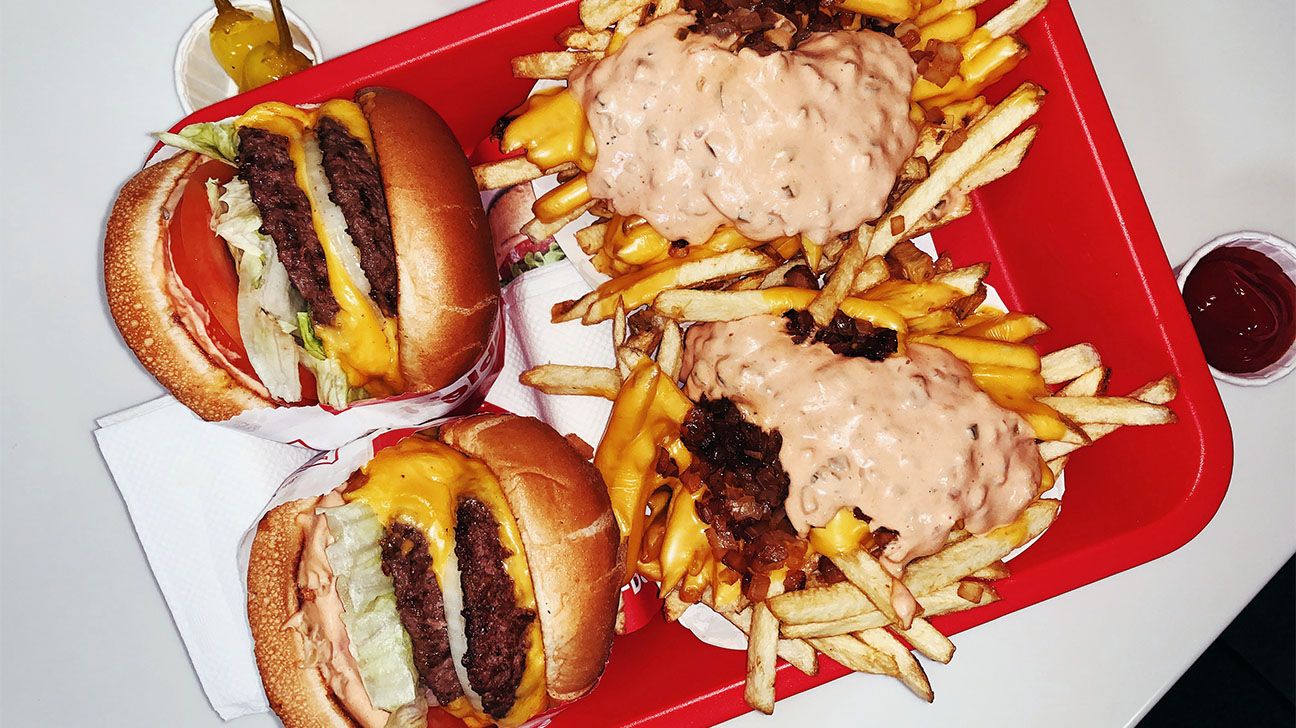
- One new analysis concluded that highly engineered consumables could be just as habit-forming as tobacco products.
- Scientists observed that UPFs are formulated to maximize reward and hasten the absorption of reinforcing components.
- The habit-forming quality of these foods means they drive compulsive consumption and disrupt appetite regulation.
- Study contributors propose that UPFs ought to be governed by regulations similar to those for tobacco products.
Currently, there is no one agreed-upon description of UPFs. Some people define them as products that contain ingredients you would not typically use in a home kitchen, for instance stabilizers and additives.
A lot of dietitians rely on the NOVA classification to identify UPFs. This talks about foods that are “formulations of components, primarily of manufacturing origin, typically made by a series of factory processes and processes.”
A recent analysis released by The Millbank Quarterly suggested that ultraprocessed foods may be just as habit-forming as cigarettes.
“I concur with these findings, as ultra-processed foods are deliberately designed to be highly appealing to many consumers,” stated a weight loss specialist who was not involved in the research.
A study from 2023 suggests that more than 73% of the food supply in the America are highly processed.
“Tobacco and UPFs are not simply natural products but carefully designed delivery systems designed specifically to increase physical and mental reward and habitual overuse,” explained the new study’s authors.
Are Ultraprocessed Foods Habit-Forming?
The paper combined findings from substance use, public health history, and nutrition in order to highlight sensory and structural qualities that enhance the rewarding nature of both tobacco and ultraprocessed foods.
“It’s not all people is ‘hooked’ to such products, but for a significant portion, they cause classic addiction-like behaviors: intense desires, loss of control, and continued use even with harmful consequences,” explained a preventive cardiology dietitian.
“These foods are deliberately engineered with processed carbohydrates, added fats, salt, and flavor enhancers to optimize reward and repeat consumption, and the food sector uses aggressive marketing tactics, particularly aimed at young people,” she continued.
The researchers focused on several important factors:
- delivery speed
- hedonic engineering, or designing foods to be extremely pleasurable
- dose optimization
- widespread availability
- deceptive reformulation, or “wellness branding”
They found that, similar to cigarettes, UPFs are carefully calibrated to deliver the optimal amount of sweetness.
“Processed carbs trigger dopamine production via the a key neural pathway, whereas lipids do so through fat detection in the gut,” the authors noted.
“… UPFs with significant amounts of refined carbohydrates and extra oils are among the most strongly reinforcing substances in the modern diet. Notably this processed carb and fat combination is virtually absent in whole foods.”
The way such products quickly deliver “feel-good” chemicals to the mind renders them likely habit-forming, in a comparable way to cigarettes.
The paper explained that while cigarettes are designed to provide nicotine rapidly, ultraprocessed foods are formulated to rapidly digest and absorb, as they typically have little to no fiber. This makes it easier for the system to metabolize fat and sugar more quickly.
The researchers also note that ultraprocessed foods provide deliberate flavor bursts that fade quickly and mouthfeels that dissolve easily. This collectively works to trigger increased pleasure signals and prompts you to consume additional amounts.
‘Wellness Branding’ in Cigarettes, UPFs
Based on the review, both the tobacco and food industries have historically employed a strategy known as “health washing.”
This refers to when products are advertised and altered to create an illusion of less danger while preserving the essential of their properties.
Health washing in the cigarette sector gained traction in the 1950s with the advent of filters on smokes.
These were marketed as protective innovations that would trap harmful substances before they reached the respiratory system. The truth is, these tips offer little meaningful benefit.
Yet, people typically adjusted by taking bigger puffs or increasing consumption, which offset any reduction in harmful intake.
The food industry has taken a similar strategy. It employs labels like “low fat” or “sugar-free” to promote ultraprocessed foods.
Yet, these foods often retain the same addictive formulations. The problem is that these changes present a surface-level appearance of health while the product’s addictive structure and health risks remain intact.
Should UPFs Face Controls?
The researchers stated at the end of their paper that food and tobacco are not the same thing.
Nevertheless, they cautioned that certain UPFs act like engineered products rather than actual food. They proposed that health regulations ought to acknowledge this distinction.
“Tobacco provides a warning, and smoking regulations provides a source of potential,” the authors stated.
Due to regulations, smoking levels in the US have declined and have “reshaped cultural views of smoking and diminished trust in the industry.”
“I believe increased education about the harmful effects of UPFs is essential to lower general consumption and enhance population wellness. The approaches employed to reduce cigarette use have been successful and could be a helpful blueprint for UPFs as well,” said one specialist.
“It is not my view ultraprocessed foods should be regulated exactly like cigarettes, but they do warrant stronger, smoking policy-based measures: marketing restrictions, obvious packaging warnings, tighter standards on health claims, and restrictions in schools or medical facilities,” noted another dietitian.
The researchers pointed out to people that minimally processed and unprocessed foods have sustained our well-being for thousands of years.


